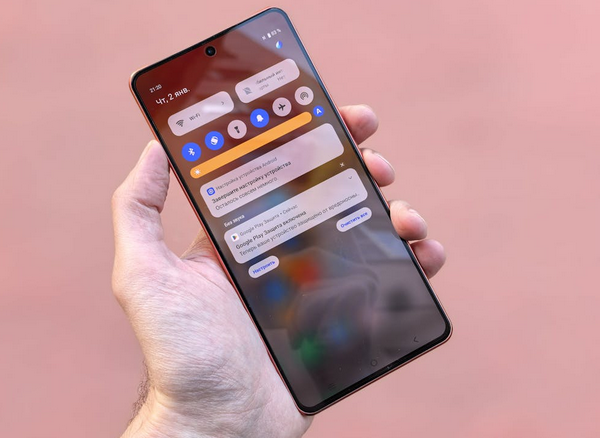
Android phones love a good buzzword. Every launch event feels like a magic show, complete with dramatic slides and confident head nods. Suddenly, your phone is faster, smarter, and somehow “redefined.” Then a week later, you are still texting, scrolling, and charging like usual. That gap between promise and real life is where things get funny. Some features sound incredible during presentations, but fade into the background fast. They exist, they function, and then they quietly disappear from your routine. This is not shade at Android phones, which are excellent. It is just a reality check wrapped in a tech-blog grin. Let’s talk about the specs that sparkle but rarely matter.
Ultra-High Refresh Rates Past a Certain Point
A smooth screen feels great. Jumping from 60Hz to 120Hz is noticeable and satisfying. After that, the returns shrink fast. When phones start pushing 144Hz or higher, most users cannot tell the difference without side-by-side testing. Daily apps do not need that level of speed. Social feeds, emails, and videos cap out long before that ceiling. Higher rates also sip more power quietly. Unless you are gaming constantly, the screen flex becomes more brag than benefit. Smooth is good, but extra smooth often just sounds cooler.
Massive Camera Megapixel Numbers
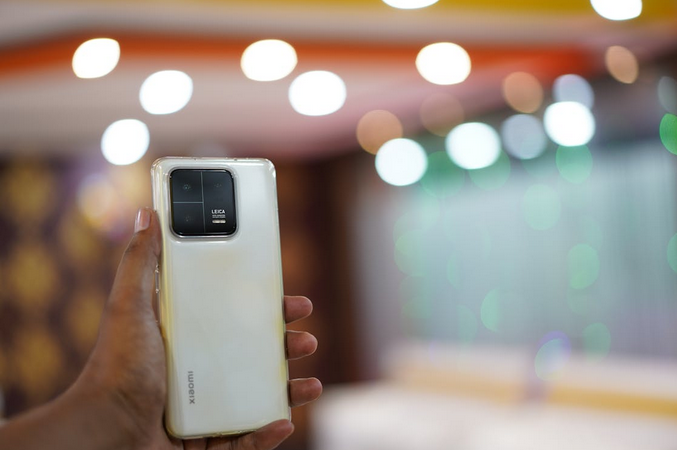
Big numbers sell phones. A 200MP camera sounds like it could photograph the moon’s pores. In practice, most photos end up compressed, cropped, or shared online at smaller sizes. Those extra pixels rarely see daylight. Software processing does most of the heavy lifting now. Color balance, HDR, and stabilization matter more than raw count. Many high-megapixel shots are merged down anyway. You get great photos, but not because of the number printed on the box. The camera wins through computation, not math flexing.
Desktop Modes Nobody Uses
Turning your phone into a computer sounds futuristic. Plug it into a screen, connect a keyboard, and boom, productivity. In reality, most people try it once, nod politely, and never return. Laptops already exist and do the job better. App support is limited, and workflows feel awkward. Notifications still interrupt everything like a needy roommate. It is clever engineering, no doubt. But daily life rarely calls for a pocket desktop. Cool demo, low replay value.
Extreme Fast Charging That Sounds Risky
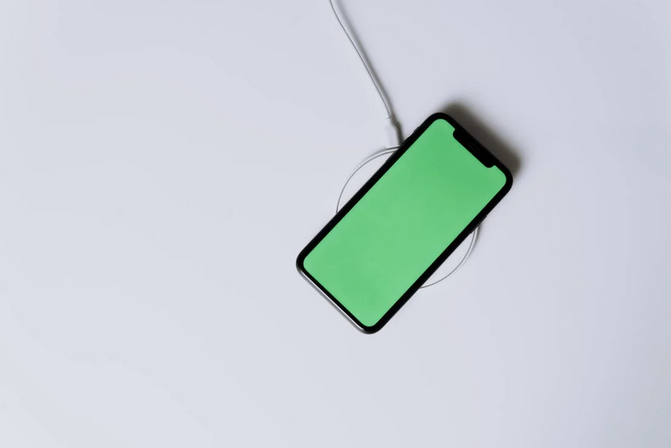
Charging speeds now sound like sports cars. Zero to full in under twenty minutes grabs attention. It feels like cheating physics. For busy mornings, it can help, but most users charge overnight anyway. Ultra-fast charging also creates heat. Heat stresses batteries over time. Slower charging often leads to better long-term health. The feature shines in emergencies, not daily routines. Speed is fun, but consistency wins the long game.
AI Features That Feel Vague
AI has become the seasoning sprinkled on everything. Smart replies, photo fixes, background blur, and magic suggestions promise ease. Some tools help. Many just sit there quietly. We all know that people use what feels obvious. If a feature requires explanation every time, it usually fades. AI shines when invisible, not when marketed loudly. Android phones are packed with clever ideas. That experimentation keeps the platform exciting. Still, the best features are often boring ones. Battery stability, solid cameras, and smooth software updates win trust. Flashy extras make headlines, but basics keep phones loved.